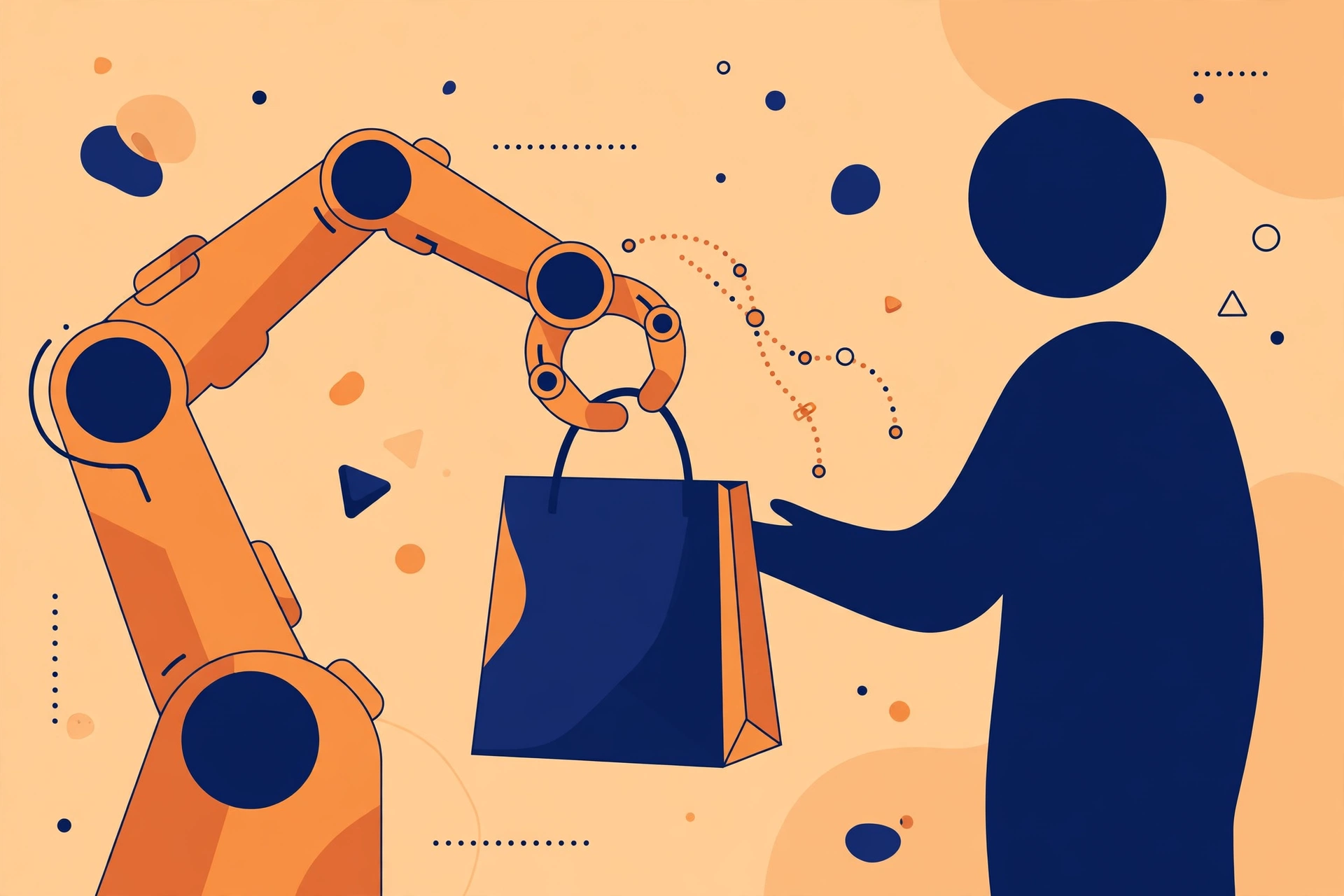

Agentic commerce is the shift from AI that recommends products to AI agents that complete purchases on your behalf. Instead of browsing a store yourself, you tell an agent what you want — or let it decide — and it researches, compares, and pays. The technology arrived in force in November 2026, and the pushback arrived just as fast.
What Happens When an Agent Buys the Wrong Thing?
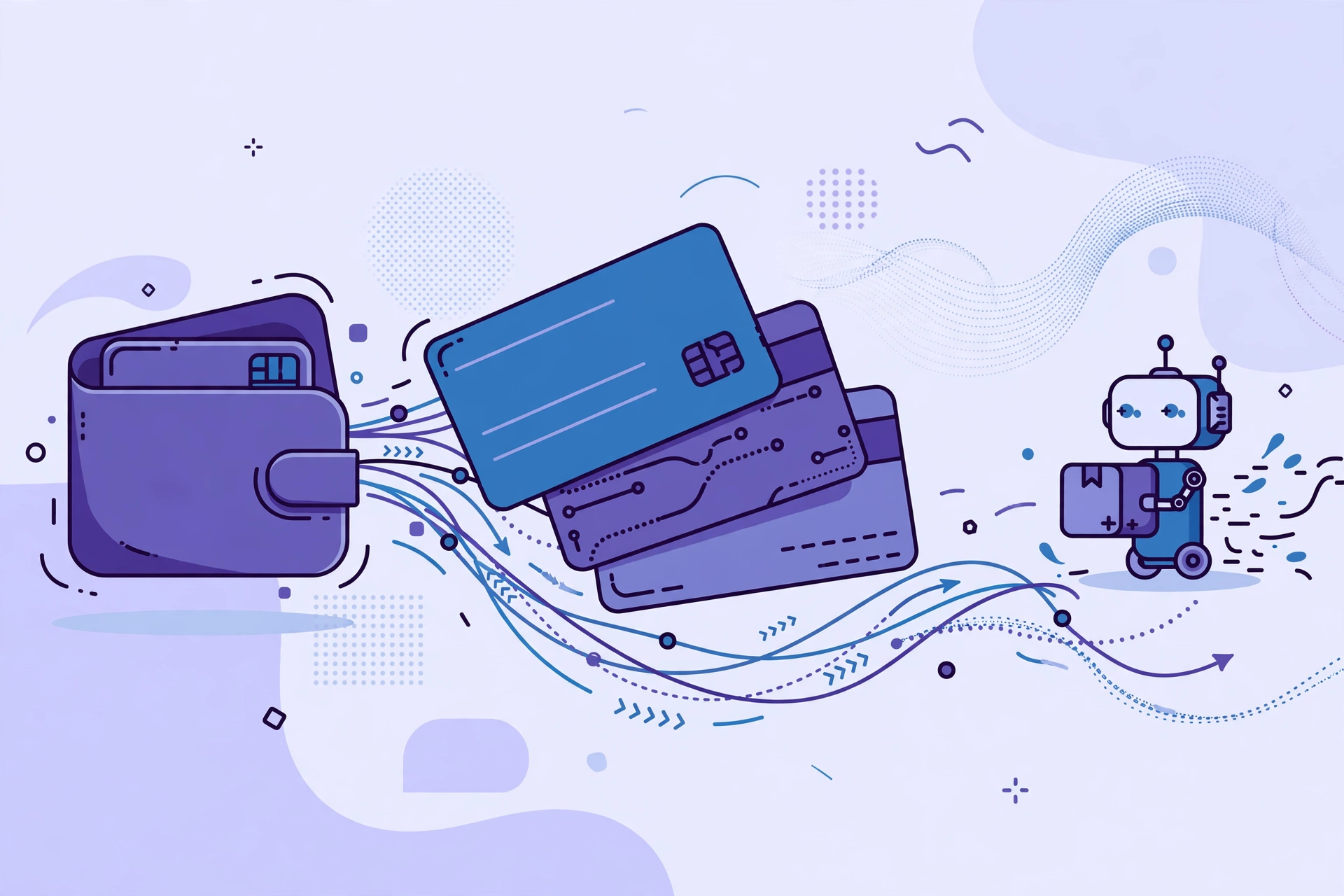
The question nobody has fully answered is who pays when an agent gets an order wrong — the wrong size, the wrong item, or a duplicate order. The rules are still being written, and for now the protection sits in the checkout flow itself. Before a purchase completes, the shopper reviews the items, the total, and the payment card, then approves it with an identity check such as Face ID or a fingerprint. The card networks issue a transaction-specific token, so neither the merchant nor the agent ever sees the real card details. The usual card protections still apply: rewards are kept, and a wrong purchase can be disputed like any card transaction.
One gap is worth noting. OpenAI takes no cut of Wallet transactions at launch, which keeps the payment flow simple — shopper, card network, merchant — but leaves no platform in the middle to absorb a mistake. In practice the approval step is the real safeguard, and the riskiest moment is a shopper approving without reading. Clear spending limits and checking the order summary before confirming matter more here than in ordinary online shopping.
Timeline: How We Got Here
The road to agents that can pay runs through a failed first attempt.
| When | What happened |
|---|---|
| Autumn 2025 | OpenAI ships Instant Checkout inside ChatGPT. |
| March 2026 | OpenAI pivots away from Instant Checkout toward discovery and comparison. |
| Late September 2026 | OpenAI introduces Dots, its always-on agents, at DevDay. |
| 13 November 2026 | ChatGPT Wallet launches for Dots. |
| Before November 2026 | eBay shuts out third-party shopping agents. |
Who Can Buy, Who Can’t
Agent-driven shopping is live in some places and blocked in others. The picture as of this week:
| Agent / platform | Can it buy for you? | Limits |
|---|---|---|
| ChatGPT Dots + Wallet | Yes | Pro subscribers in the US, 18 and older; Dots only; every purchase needs an identity check. |
| Meta Muse | Can call businesses | United Airlines blocks it from completing ticket purchases. |
| United Airlines | No | Blocks agent ticket purchases, citing privacy risks and federal rules. |
| eBay | No | Shut out third-party shopping agents. |
Table of Contents
What Is Agentic Commerce?
Agentic commerce means a software agent acts as your buyer. It can search catalogs, read product details, compare prices, and check out — all without you clicking through a store. The agent works from your instructions and your payment details, which is exactly why the rules around it are being written in real time. For shoppers it promises convenience; for retailers it raises questions about who owns the customer relationship when an agent sits in the middle.
What’s Live Now: ChatGPT Wallet and Dots
OpenAI launched ChatGPT Wallet on November 13, a payment feature that lets its Dots AI agents make purchases for users. The rollout covers ChatGPT Pro subscribers in the United States who are aged 18 or older and have a US billing address. It is the clearest sign yet that the biggest AI companies see buying, not just browsing, as the next step for their assistants.
Microsoft is preparing the groundwork on the measurement side: its Clarity analytics tool added features to analyze visits from AI agents, help businesses deploy customer-facing brand agents, and answer analytics questions in natural language. If agents become a real traffic source, businesses will need to see them as clearly as they see human visitors.
Who Is Pushing Back — and Why
United Airlines is blocking personal AI agents from booking tickets on passengers’ behalf. The agents can show flights but cannot complete a purchase, with United citing privacy risks and federal rules — including the requirement that the passenger personally certify there are no explosives in their luggage. Chief executive Scott Kirby says the airline does not want another middleman, and the move affects Meta’s Muse and OpenAI’s Dots. eBay had already shut out third-party shopping agents.
In their words: United Airlines chief executive Scott Kirby says the airline does not want another middleman between it and its passengers.
The resistance is not only about travel. AI shopping assistants could disrupt the advertising businesses of Amazon and Walmart by letting consumers research and buy without viewing the retailers’ conventional sponsored listings. Amazon, for its part, is reportedly planning a “World Product Graph”, a database of products sold anywhere online — including items Amazon does not sell — according to Reuters.

What Agentic Commerce Means for Businesses
The practical lesson is that agents can only buy what they can read. People Inc. is building structured content feeds and APIs to deliver journalism to AI partners as structured text, instead of forcing agents to parse full webpages — the same shift retailers will need so agents can read their catalogs. Stores that publish clean, structured product data and clear purchase policies will be the ones agents can actually transact with. If you run an agency, our AI Agency Engine review looks at one platform for running an AI agency, and our roundup of the best AI tools for agencies lists the software worth standardizing on.
Verdict: Friction First, Then Normalization
Agentic commerce will not replace ordinary shopping overnight. Expect a period of friction first: blocked checkouts, unclear liability when an agent buys the wrong thing, and retailers deciding how much access to allow. But the direction is set — once wallets, agent-readable catalogs, and purchase policies are in place, buying through an agent will feel as normal as buying through an app. The winners will be the businesses that make themselves easy for agents to buy from.
Frequently Asked Questions
Which AI agents can buy things today? OpenAI’s Dots agents can complete purchases through ChatGPT Wallet, now rolling out to ChatGPT Pro subscribers in the US. Other agents are still mostly limited to research and recommendations, and some retailers actively block them from checking out.
Is it safe to let an AI agent spend my money? The safeguards are still catching up. Agents act on your instructions and payment details, so clear spending limits and purchase confirmations matter — and some purchases, such as airline tickets, carry legal certifications only a person can make.
What should a store do first? Publish structured, agent-readable product data and a clear policy on agent purchases. Agents can only transact with catalogs they can parse, and early movers will be the easiest to buy from.
Sources