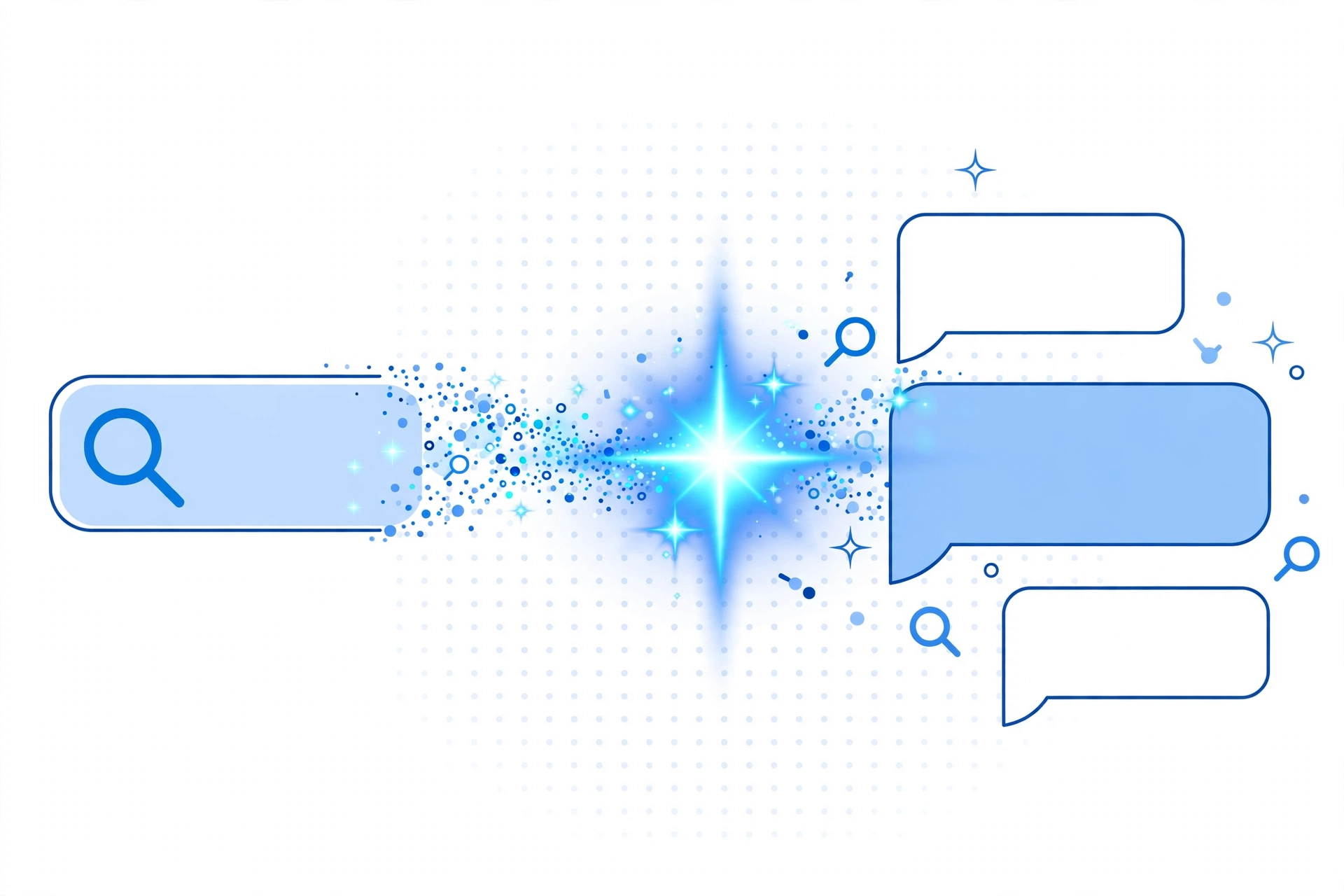

AI search vs Google is no longer a hypothetical contest. OpenAI says the volume of searches performed through ChatGPT now equals 20% of Google’s search volume, making conversational interfaces a significant alternative discovery channel. OpenAI is also developing visual and interactive chatbot responses under its “Intelligent UI” approach — a sign that chatbots are becoming answer engines, not just assistants.
What is the EU AI Act watermarking deadline about? Anthropic is expanding text watermarking to Claude models as it prepares for an EU AI Act deadline. Watermarking marks AI-generated text so it can be identified later — part of the same push for provenance and attribution that sits behind the shared publisher opt-out mechanism.
Why is Reddit moving to a logged-in experience? Reddit is shifting toward a primarily logged-in experience as AI-powered search reduces referrals from traditional search engines. When answers arrive inside a chatbot, fewer people click through to the sites the answers came from — so Reddit is building its business around signed-in users rather than search traffic.
What the 20% Figure Does — and Doesn’t — Mean
A fifth of Google’s search volume is a large number, but it is worth being precise about what it measures. It counts searches performed through ChatGPT against searches performed through Google — a volume share, not a revenue share. It says nothing about which engine earns more from a query, or which one people trust for a particular question. It also covers only ChatGPT, not the whole field of conversational search: Google’s own AI Overviews and its Gemini chatbot are moving in the same direction, and their volumes are not in this figure.
The figure is also a snapshot, not a trend line: it shows where things stand, not how fast the share is moving. But the direction is consistent with the rest of the story. Marketers are shifting budgets — 97% of the 2,020 marketers DoubleVerify surveyed plan to use AI somewhere in media planning, buying, or optimization in 2026 — and global AI technology spending is projected above $730 billion. The 20% figure is the headline; the budgets are the confirmation.
What This Means for Website Owners
For anyone running a website, the practical question is how to stay visible when the answer arrives inside a chatbot and the click never happens. Part of the answer is measurement: Microsoft’s Clarity analytics tool has added features to analyze visits from AI agents, so traffic that used to be invisible in analytics is starting to show up as its own channel. The other part is the direct relationship. Reddit is moving toward a primarily logged-in experience as AI-powered search reduces referrals from traditional search engines — the same logic that pushes publishers toward newsletters, accounts, and communities they own rather than borrowed search traffic.
The third part is the content itself. Pages that AI systems can read and cite — clear headings, direct answers, genuine expertise — are the ones that show up inside chatbot answers, and the shared opt-out mechanism backed by OpenAI, Google, Microsoft, and Anthropic lets publishers choose whether their content is used for AI training and search at all. None of this replaces ranking: Google still handles the large majority of searches, and many queries still call for browsing links rather than a single answer. The job is now to be visible in both places.
By the Numbers
Three figures frame the shift from links to answers:
| Figure | Number | Source |
|---|---|---|
| ChatGPT search volume | 20% of Google’s search volume | OpenAI |
| Marketers planning to use AI in media planning, buying, or optimization in 2026 | 97% of 2,020 surveyed | DoubleVerify |
| Global AI technology spending, projected 2026 | Above $730 billion | MarketingProfs |
Table of Contents
AI Search vs Google: How Behavior Is Changing
The shift is already visible in the numbers behind search. AI Overviews and conversational search are changing clicks, advertising inventory, and conversion economics, and advertisers and media buyers are subjecting Google search advertising to closer scrutiny. People increasingly ask a chatbot for a direct answer instead of clicking through a list of links — which is why discovery, not just ranking, is now the battleground.
Reddit is adapting to the same trend by shifting toward a primarily logged-in experience, as AI-powered search reduces referrals from traditional search engines. When the answer arrives inside a chatbot, the click that used to flow to a website may never happen.
What It Means for Publishers
For publishers, the new reality cuts both ways. OpenAI, Google, Microsoft, and Anthropic have backed a shared mechanism allowing publishers to opt out of AI scraping without configuring separate restrictions for each company. At the same time, an adviser to the Court of Justice of the European Union said Google’s Gemini chatbot could infringe publishers’ rights if it reproduces recognizable expression from articles or bypasses technical access restrictions. People Inc. is responding by building custom APIs to deliver journalism to AI partners as structured text, instead of forcing agents to parse full webpages.
Anthropic is also expanding text watermarking to Claude models as it prepares for an EU AI Act deadline — another signal that provenance and attribution are becoming part of the search bargain.
What It Means for Marketers
The AI search vs Google shift is also reshaping ad budgets. Marketers are moving fast: DoubleVerify’s global survey of 2,020 marketers found 97% plan to use AI somewhere in media planning, buying, or optimization in 2026, though adoption varies by workflow. With global technology spending on AI projected to exceed $730 billion this year, the budgets are following the behavior. Bloggers who want to stay visible should start with our roundup of the best AI SEO tools for bloggers and our guide to the best AI writing tools for bloggers.

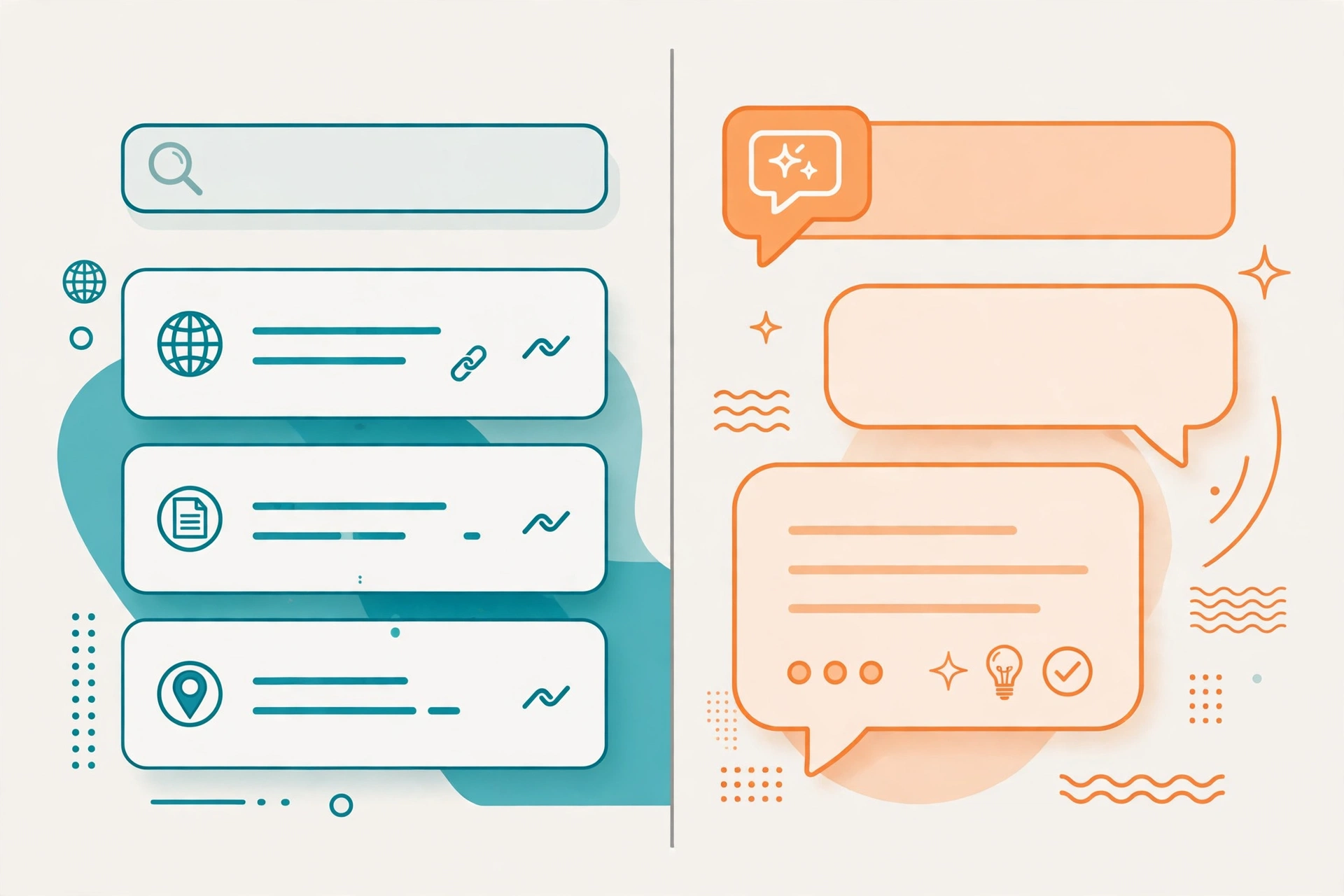
Verdict: Search Is Splitting Into Answer and Explore
The AI search vs Google story is not a winner-take-all race. Search is splitting into two jobs: getting a direct answer, where chatbots are winning, and exploring options, where Google’s links and depth still matter. Publishers and marketers who show up well in both — with content chatbots can cite and pages people want to visit — will keep their traffic. Those who optimize for only one side of the split will feel the squeeze.
Frequently Asked Questions
Will AI search replace Google? Not in the near term. ChatGPT’s search volume now equals about a fifth of Google’s, which makes conversational search a major channel — but Google still handles the large majority of searches, and many queries still call for browsing links rather than a single answer.
How should publishers respond? Use the shared opt-out mechanism where it fits, publish structured content AI systems can read and cite, and build direct relationships with readers — Reddit’s move toward a logged-in experience points in the same direction.
Does AI search change SEO? Yes. Ranking still matters, but so does being the source a chatbot quotes. Clear structure, quotable answers, and genuine expertise are becoming as important as keywords.
Sources